
From Poker Tables to Mobile Screens: How Digital Platforms Are Changing the Way Players Engage
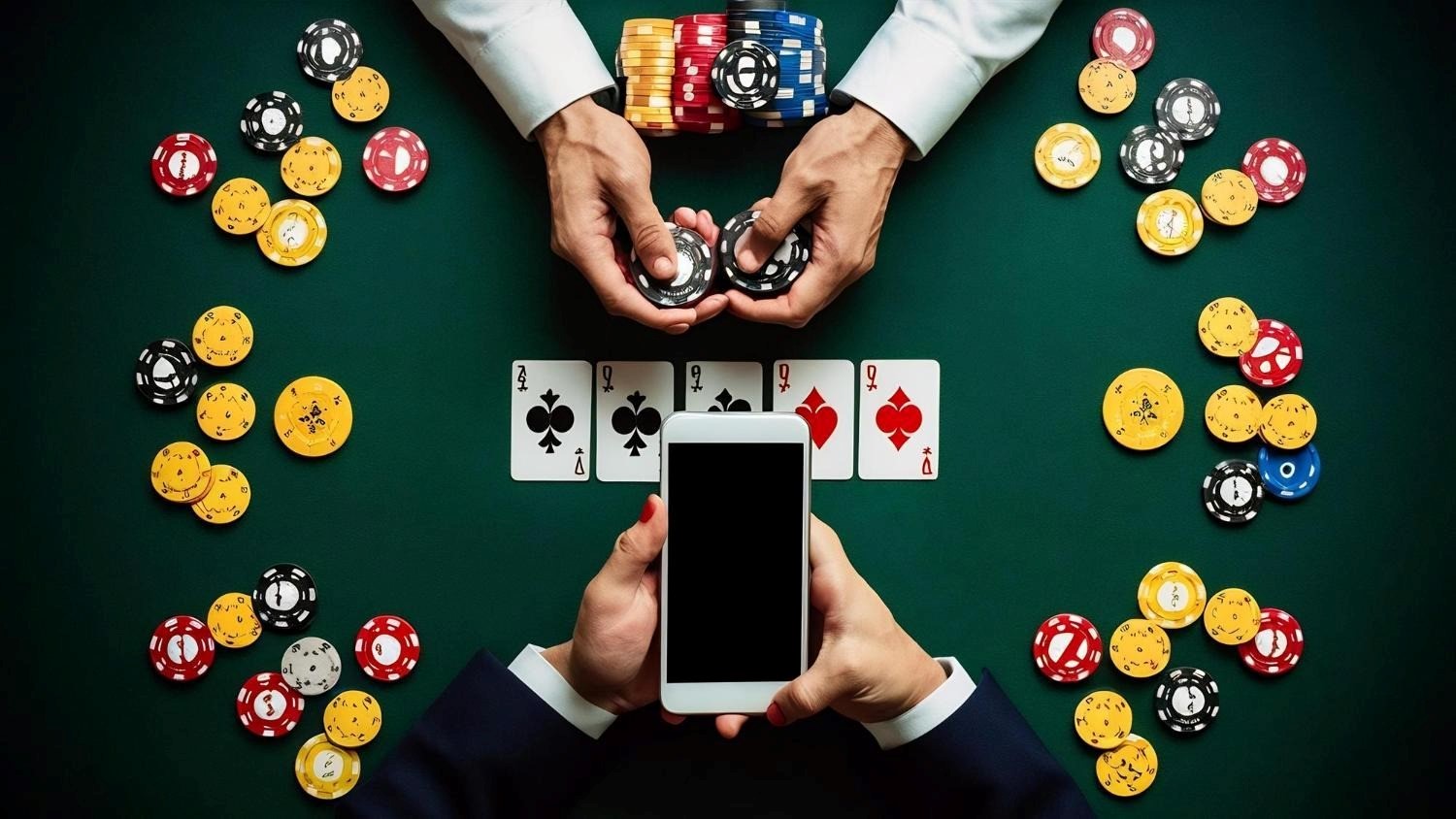
For years, poker has been defined by physical presence, the feel of chips, the rhythm of hands, the subtle reads across a table. Even as online poker gained traction, the experience remained largely tied to a single format: players logging in, sitting at virtual tables, and focusing on one game at a time.
That structure is now evolving. The rise of mobile-first platforms has expanded how players interact with poker and, more broadly, how they engage with digital gaming ecosystems. Today’s player is no longer confined to a single table or even a single format. Instead, they move fluidly between games, devices, and environments, shaping a more flexible and layered approach to play.
A Broader Gaming Ecosystem
One of the most significant shifts is the move from isolated poker platforms to integrated gaming environments. Where players once logged in exclusively for cash games or tournaments, many now access platforms that combine multiple formats, poker, slots, and live dealer games, within a single interface.
Within this ecosystem, a well-designed casino app becomes more than just an entry point; it functions as a central hub where different types of gameplay coexist. Platforms such as MrQ illustrate how this integration works in practice, bringing together mobile poker interfaces, slot libraries, and live casino tables supported by real-time streaming, secure payment systems, and responsive design. For players, this means fewer barriers between formats and more control over how they allocate their time and attention.
This shift reflects a broader change in behaviour. Instead of committing to long, uninterrupted poker sessions, many players now engage in shorter, more varied interactions, switching between formats depending on focus, energy, and risk tolerance.
Changing Patterns of Play
Traditional poker rewards sustained concentration. Long sessions, careful observation, and strategic consistency have always been central to the game. Mobile environments, however, encourage a different rhythm.
Players increasingly approach gaming in shorter intervals, fitting hands or sessions into available moments throughout the day. This does not necessarily reduce the importance of strategy, but it does change how that strategy is applied. Decision-making becomes more immediate, and players must adapt to shifting contexts rather than relying solely on extended reads and long-term table dynamics.
At the same time, access to multiple formats allows players to adjust their level of engagement. A focused poker session may be followed by a more relaxed interaction with slot games or live dealer tables. The transition is seamless, made possible by platforms designed to support this kind of movement.
The Role of Technology in Player Experience
Behind this behavioural shift is a foundation of increasingly sophisticated technology. Mobile optimisation ensures that gameplay remains stable and responsive across devices, even under varying network conditions. Interfaces are designed to prioritise clarity, allowing players to navigate between games, manage their accounts, and access features without disruption.
Live dealer technology has also contributed to the evolution of digital gaming. By streaming real-time gameplay from studio environments, it reintroduces elements of human interaction that were once exclusive to physical venues. For poker players, this helps bridge the gap between traditional and digital experiences, maintaining a sense of immediacy and connection.
Equally important are payment systems. Secure digital wallets, fast transactions, and streamlined verification processes reduce friction, allowing players to focus on gameplay rather than administrative steps. These features align with broader expectations shaped by other digital services, from e-commerce to mobile banking.
Strategy in a Multi-Format Environment
For poker players, the expansion into multi-format platforms introduces new strategic considerations. Bankroll management, for instance, becomes more complex when funds are distributed across different types of games, each with its own risk profile.
Poker is a game of skill with elements of variance, where decision-making can influence long-term outcomes. Slot games, by contrast, are governed by random number generators (RNGs) and defined payout structures. Moving between these environments requires an understanding of how risk operates differently in each context.
This does not diminish the value of poker strategy; rather, it highlights its adaptability. Concepts such as discipline, probability assessment, and emotional control remain relevant, even when applied to different formats. Players who understand these principles are often better equipped to navigate a broader gaming landscape.
Data, Behaviour, and Continuous Adaptation
Modern platforms are built around data. Every interaction, session length, game selection, navigation patterns, contributes to a larger picture of user behaviour. This information is used to refine interfaces, optimise performance, and improve overall user experience.
For players, this often translates into more intuitive environments. Game recommendations, personalised layouts, and faster access to preferred formats all contribute to a smoother experience. While these features operate in the background, they play a significant role in shaping how players engage with platforms over time.
Insights from Pew Research Center highlight how mobile devices have become central to daily activity, influencing everything from communication to entertainment. As this trend continues, gaming platforms are likely to become even more integrated into everyday routines.
Complementing, Not Replacing, Traditional Poker
Despite these changes, the core appeal of poker remains intact. Live tournaments, cash games, and in-person events continue to offer experiences that digital platforms cannot fully replicate. The social dynamics, physical presence, and psychological nuances of live play remain central to the game’s identity.
What digital platforms provide is an extension rather than a replacement. They offer accessibility, flexibility, and variety, allowing players to engage with poker, and other games, on their own terms. This coexistence reflects a broader pattern in how technology interacts with established practices: it expands possibilities without necessarily displacing what already works.
As mobile technology continues to evolve, the distinction between different forms of gaming is likely to become less pronounced. Improved streaming, enhanced personalisation, and more sophisticated interfaces will further integrate poker into a wider digital ecosystem.
For players, this means greater choice and greater control. The ability to move between formats, adjust engagement levels, and access games from virtually anywhere is reshaping what it means to participate in modern gaming.
The journey from poker tables to mobile screens is not a departure from tradition, it is an evolution. One that reflects how players are adapting to new tools, new environments, and new ways of engaging with the games they know best.