
The Psychology of Playing Under Pressure in Major Poker Tournaments
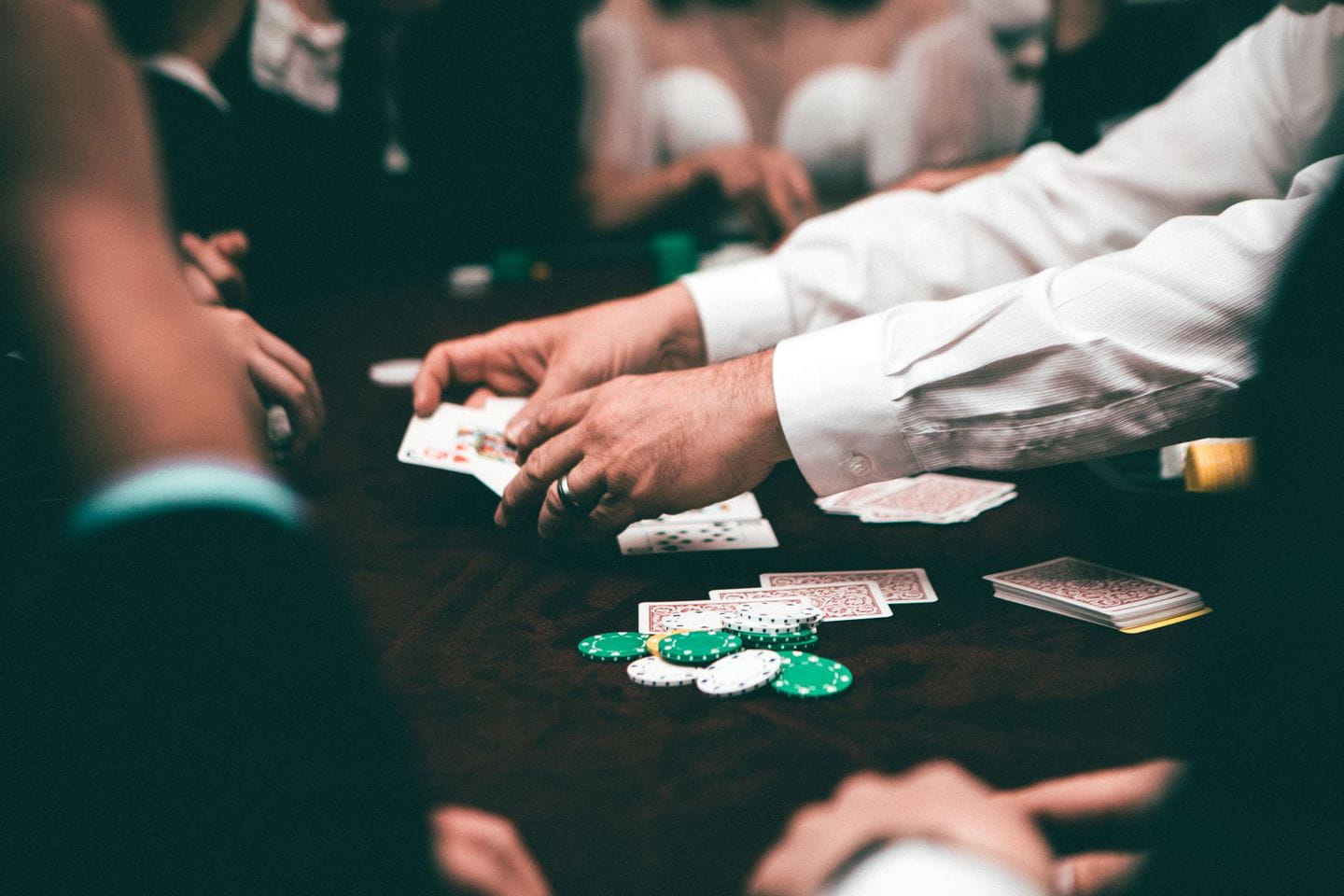
A poker table rarely looks dangerous. Chips click, cards fold, someone checks their phone between hands. But sit at a final table with seven figures on the line, and that calm surface hides something closer to a pressure chamber. Heart rate climbs, palms sweat, and a player who has folded the same hand a thousand times in practice suddenly can't remember why it was ever correct to fold it.
The modern tournament environment has become increasingly competitive. For instance, the 2025 World Series of Poker (WSOP) main event attracted 9,735 entries. Events of this scale create situations where players must maintain focus through long sessions while making decisions against thousands of competitors.
Beyond the tournament tables themselves, players and enthusiasts often follow the wider poker landscape to understand the resources available around the game. A list of poker offers can provide insight into current poker-related opportunities, but the core of tournament performance remains rooted in psychological preparation. When thousands of players compete for life-changing results, staying composed and making rational decisions under pressure becomes one of the most valuable skills a player can develop.
What Stress Actually Does to a Poker Brain
Psychologists often describe two modes of thinking working side by side. One is fast and intuitive, the kind of instinct that folds a hand before the brain finishes counting outs. The other is slow and deliberate, the mode responsible for working through pot odds, ranges and the history of an opponent's betting patterns. Under normal conditions, a strong player leans on both, letting instinct handle the obvious spots and analysis take over the close ones.
Pressure disrupts that balance. As stress hormones like cortisol and adrenaline rise, the brain tends to lean harder on the fast, reactive system and pull resources away from the analytical one. The same pressure that once helped humans react quickly to physical danger now shows up at a felt table when a bad beat lands with a title on the line.
Pressure in Real Time at the 2026 WSOP
Nothing illustrates the psychological weight of a major tournament like watching it unfold in front of a global audience. This year's WSOP main event drew 9,208 players across four starting flights before narrowing to a televised final table, with the winner ultimately walking away as a first-time bracelet holder.
The winner of the tournament, Lucas Jumalon (a 22-year-old), was playing a field that included some of the most experienced professionals in the world. This kind of scrutiny is one that turns a routine river decision into a moment that gets replayed for years.
The same summer offered a reminder that experience doesn't erase pressure; it just changes what a player does with it. Daniel Negreanu won his eighth WSOP bracelet during the 2026 series, adding to a career built partly on his reputation for staying composed when a table gets tense. Meanwhile, Phil Hellmuth, whose seventeen bracelets already stand as the record, came close to extending that mark but fell short at a final table, a small reminder that even poker's most decorated player still has to manage nerves like anyone else holding cards.
Why Skilled Players Still Crack
It would be easy to assume that tilt and pressure mistakes only happen to inexperienced players, but the research states otherwise. A 2015 study by Laakasuo and colleagues tested how anger primed poker players before decision-making tasks. The study found that negative emotional states reduced decision accuracy regardless of experience level, an effect that held up even in simulated hands rather than live high-stakes situations.
Experience helps a player recognise when they're tilting. It doesn't make the underlying stress response disappear.
There's a useful distinction here between two kinds of pressure moments:
1. Acute pressure, the kind triggered by a single hand, such as an all-in decision for a tournament life or a bad beat that flips a chip lead into a short stack.
2. Cumulative pressure, which builds over hours or days of play, worn down by fatigue, missed sleep and the mental toll of staying focused through hundreds of hands that don't matter as much as the next one might.
Most players prepare for the first kind. Fewer prepare for the second, even though tournament structures like the WSOP main event, which this year stretched across roughly two weeks before its final table, are built almost entirely around it.
How Strong Players Manage the Moment
Mental game coaching has become a normal part of tournament preparation. You see, strong players judge a hand by whether it was correct given the information available, not by whether it won. This softens the sting of a bad beat before it turns into tilt.
Many also treat breaks as genuine resets, stepping away from the table rather than replaying the last pot in their head. Some quietly name the frustration when they feel it rising, a small habit that research on emotional regulation suggests can blunt its intensity before it reaches the next decision.
Ultimately, pressure is not something elite poker players eliminate, but something they learn to manage. The ability to remain patient, evaluate decisions objectively and maintain focus through uncertainty separates consistent performers from those overwhelmed by the moment. In major tournaments, mental control becomes just as important as technical skill when chasing success.